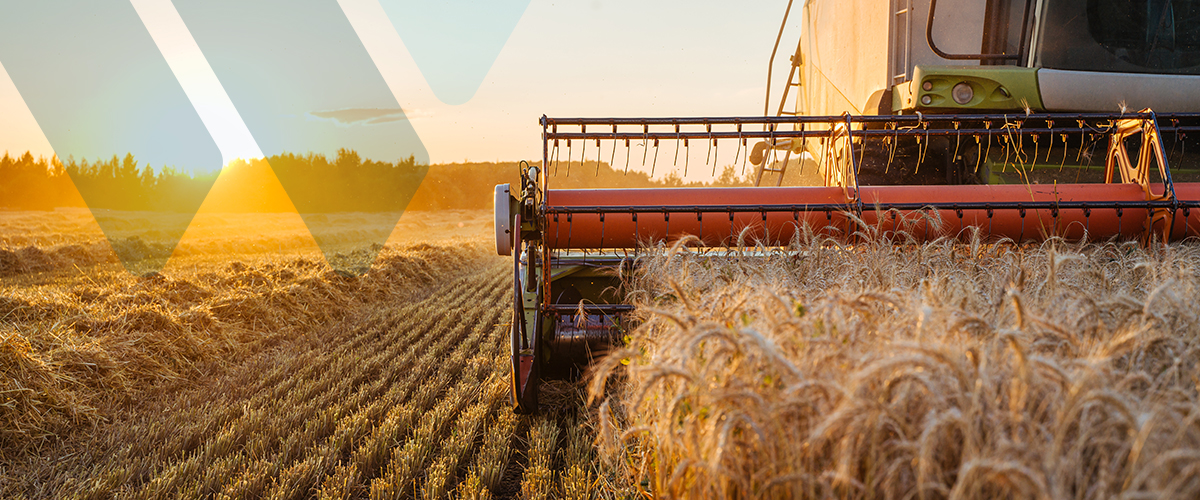
7 things farmers often overlook when it comes to harvest
Harvest is go-time, months of planning, planting, and praying for good weather all come down to a few fast-moving, high-stakes weeks. While most farmers have the basics of their insurance in place, like general liability and equipment coverage, there are several critical areas that often get overlooked. And when you’re in the thick of harvest, that’s the worst time to find out.
Here are seven often-forgotten, but vital, insurance and safety considerations that can make a big difference during harvest season.
1. Adequate loss of use coverage for machinery
When a combine or tractor breaks down mid-harvest, renting replacement equipment is often the only option but the cost can be shocking. In some cases, rental rates can be $500/hour or more, and the total cost of the rental can add up to exceed the cost of the original loss.
Inadequate limits can leave you paying large amounts out-of-pocket just to keep harvest moving. Review your farm policy to ensure your loss of use coverage is adequate to keep operations moving this harvest.
2. Rented or borrowed equipment
It’s not uncommon to rent or borrow machinery when breakdowns happen, but many farmers assume their insurance will automatically cover it. That’s not always the case.
If a rented combine is damaged or causes an accident on your property, you could be liable if the right non-owned equipment coverage isn’t in place. Ask your broker if your current policy protects rented or borrowed machinery during harvest operations.
3. Custom operations coverage limitations
If you perform custom work for other farmers such as harvesting, baling, or trucking, your coverage may have strict limits. Many policies cap gross receipts for custom work at around $35,000, and some activities, like custom spraying, may not be covered at all.
If you earn income from custom operations, confirm your policy limits and exclusions before the season begins.
4. Transportation and transit risks
Moving crops from the field to storage or to market carries its own hazards such as traffic accidents, fire, or theft. A single truckload of grain lost to a rollover is lost income.
Check whether your policy covers grain in transit, even if you are hauling it yourself.
5. Extra workers and volunteers
A big job like harvest often calls for extra hands including seasonal workers, neighbours, friends, and family. But not all policies automatically cover injuries to unpaid or temporary help.
Review your liability and workers’ compensation coverage to make sure it extends to all people on your farm, whether paid or not.
6. Fire prevention and equipment readiness
Dry crops, dust, and hot engines make harvest a prime time for combine and field fires. A quick response can save lives, crops, and equipment but only if your fire extinguishers work.
Before the season starts, inspect and recharge all extinguishers and keep them in easily accessible locations on all harvest machinery. If some are expired or damaged, replace them to ensure all fire extinguishers are working properly.
7. Overhead powerline awareness
Every year, accidents happen when augers or other tall equipment are raised under overhead powerlines. The result can be deadly and cause significant damage.
Ensure all operators are trained to look up before raising equipment and maintain safe clearance distances at all times.
Bottom line: a quick review now, saves big later
Farmers are planners by nature. You prepare for weather, pests, and markets, but insurance and safety checks should be part of your harvest plan too. Even a short conversation with your insurance advisor could reveal simple updates that make a big difference. Asking the right questions can be make or break should something go wrong this harvest season.
Whether you’re gearing up for fall harvest or planning ahead for next season, we’re here to help. Let’s make sure your operation is protected from field to finish.
Ready to check your harvest coverage? Talk to your advisor today .